March 27, 2026
In the realm of construction and building resilience, roofing plays a critical role in ensuring both safety and durability. With unpredictable weather patterns, understanding the differences between standard roofing practices and FORTIFIED roofing systems is essential for homeowners, builders, and architects. Let's explore the key differences that set these roofing approaches apart, highlighting the benefits and considerations of investing in a FORTIFIED roof. Both roofing types serve to protect homes from environmental elements, but their effectiveness varies greatly. By delving into the specifics, you can make well-informed decisions about your roofing investments.
1. Material Durability and Quality
Types of Materials Used
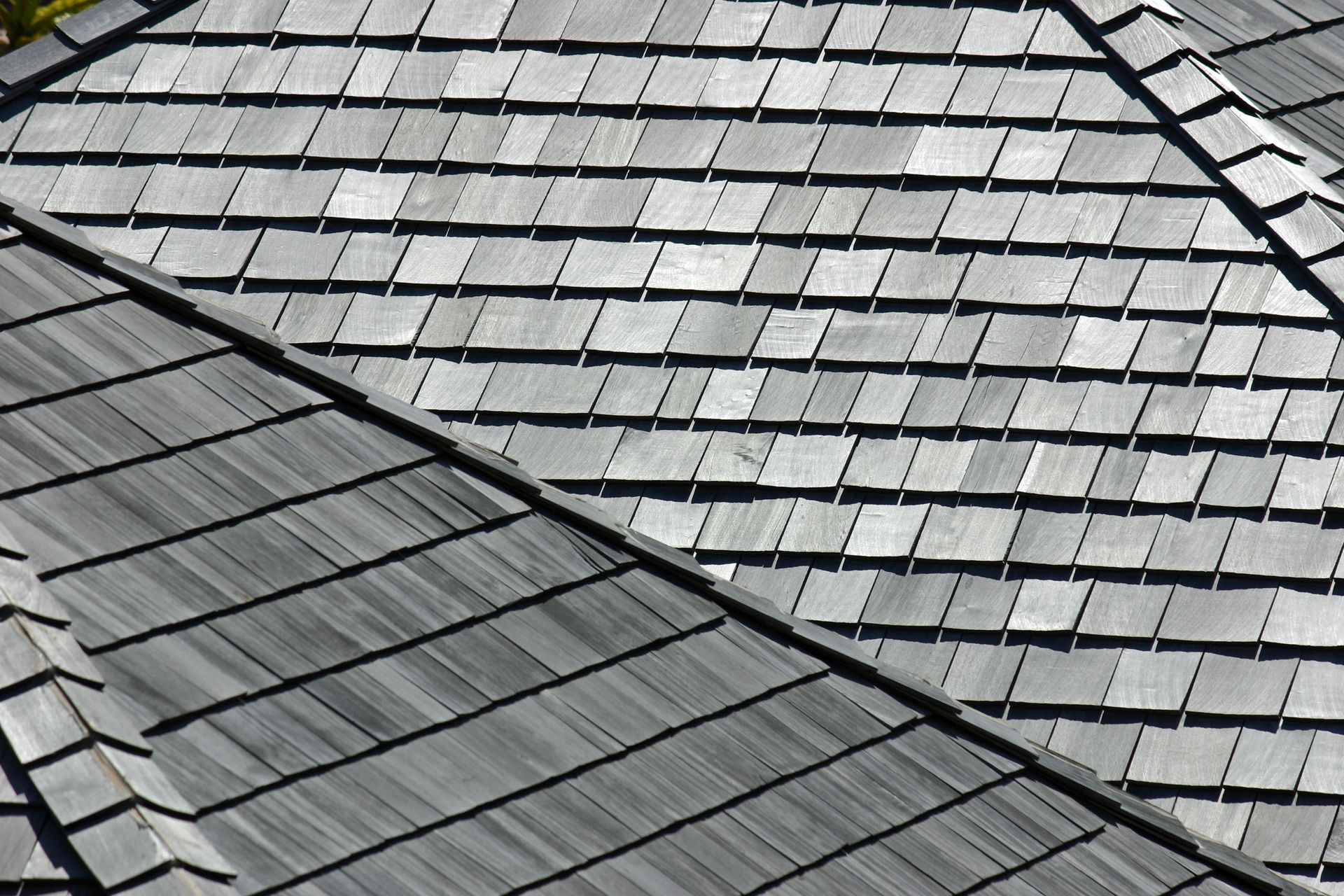
Standard roofing materials include asphalt shingles, wood, and tile, which are chosen for their cost-effectiveness and availability. FORTIFIED roofing, however, often employs metal, slate, or reinforced concrete, emphasizing durability and strength. The materials used in FORTIFIED roofs are designed to withstand severe weather conditions, ensuring long-term protection. In contrast, standard roofing materials may degrade faster under harsh conditions. Homeowners need to consider the potential lifespan and robustness of the materials when deciding on their roofing solutions.
Resistance to Weather Conditions
Standard roofing often struggles against extreme weather conditions, with high winds and torrential rain posing significant risks. FORTIFIED roofing is specifically engineered to handle such challenges, offering enhanced wind resistance and water barrier systems. This type of roofing is designed to prevent shingles from being lifted by wind and to stop water from seeping inside. Due to climate change, severe weather events are becoming more frequent and intense, making FORTIFIED roofing a prudent choice. Homeowners in hurricane-prone areas may find FORTIFIED roofs particularly advantageous.
Lifespan and Maintenance Requirements
The lifespan of standard roofing materials like asphalt shingles typically ranges from 15 to 30 years, depending on environmental factors and upkeep. FORTIFIED roofing systems are designed to last significantly longer, often exceeding 50 years with minimal maintenance. This durability reduces the frequency and cost of repairs, providing long-term savings for homeowners. Regular maintenance is crucial for standard roofs, including inspections for damage and frequent repairs. However, the extended life of a FORTIFIED roof can offset its higher initial cost through reduced upkeep expenses.
Cost Implications of Material Choices
Standard roofing materials are generally more affordable upfront, making them attractive for budget-conscious homeowners. However, the longer lifespan and lower maintenance costs of FORTIFIED roofing can result in significant savings over time. While the initial investment in FORTIFIED roofing may be higher, it's important to consider potential savings on repairs and replacements. In the longer term, the durability and resilience of FORTIFIED roofs can lead to substantial cost benefits. Additionally, factors such as insurance savings further enhance the financial attractiveness of FORTIFIED roofing.
2. Structural Design and Integrity
Design Principles
Standard roofing typically relies on traditional design principles, which prioritize cost-effectiveness and ease of installation. In contrast, FORTIFIED roofing follows advanced engineering and construction principles designed to withstand severe weather conditions. These roofs incorporate features such as reinforced framing, high-quality fasteners, and advanced sealing techniques. The intention is to create a roofing system that can endure extreme stress without failing. By adhering to these design principles, FORTIFIED roofs offer a higher level of structural integrity and longevity.
Load-Bearing Capacity
The load-bearing capacity of a roof is crucial for its overall performance and safety. Standard roofs are built to handle typical environmental loads, such as moderate snowfall and rainfall. FORTIFIED roofs, however, are constructed to bear heavier loads, offering better protection against snow accumulation and falling debris. This increased capacity makes them the better option in areas susceptible to severe weather, giving homeowners peace of mind. Moreover, the use of strong materials and robust design ensures that FORTIFIED roofs can handle additional weight without compromising structural integrity.
Architectural Adaptability
The adaptability of roofing systems to different architectural styles is an important consideration for builders and homeowners. Standard roofing generally allows for a wide range of styles and designs, from modern to traditional. FORTIFIED roofing can also be adapted to various architectural designs, though special attention must be given to integrate the additional features seamlessly. This adaptability means that homeowners do not have to compromise on aesthetic preferences when choosing a FORTIFIED system. As a result, they can achieve both the desired look and enhanced protective benefits.
3. Weather Resistance and Protection
Wind Uplift Performance
Wind uplift is a major threat to roofing integrity, particularly in areas prone to hurricanes and strong storms. Standard roofs may not offer the best protection against such conditions, potentially leading to significant damage and costly repairs. FORTIFIED roofing systems, however, are designed with wind uplift prevention in mind. Features such as reinforced roof edges and advanced fastening techniques significantly reduce the risk of wind damage. Investing in a FORTIFIED roof can assure homeowners of greater safety during severe weather events.
Impact Resistance
The ability of a roof to withstand impacts from debris is essential for its longevity and durability. Standard roofs may be damaged by hail, falling branches, or other debris, leading to leaks and structural compromise. FORTIFIED roofing is constructed with materials and techniques that enhance its impact resistance, reducing the risks of such damage. Enhanced layers and reinforced surfaces prevent penetration by high-speed debris during storms. This feature makes FORTIFIED roofs particularly valuable in minimizing repair costs and prolonging roof integrity over time.
Water and Leak Protection
Water intrusion is a common concern for homeowners, as leaks can lead to significant structural damage and mold growth. Standard roofs may not always provide optimal water protection, especially as they age. FORTIFIED roofing systems incorporate superior sealing and water barrier technologies to prevent water infiltration. This includes specialized sealants that protect vulnerable areas, such as roof valleys and penetrations. As a result, FORTIFIED roofs offer enhanced protection against leaks, preserving the building's structure and indoor environment.
4. Insurance and Financial Advantages
Insurance Policy Benefits
The insurance industry recognizes the enhanced protection offered by FORTIFIED roofing systems. Homeowners with FORTIFIED roofs may benefit from reduced insurance premiums due to the reduced risk of damage claims. Insurers acknowledge that these roofs lower the likelihood of disasters affecting the home, which results in substantial savings for the homeowner. This financial advantage makes FORTIFIED roofing an attractive option for those looking to maximize their insurance investments. Additionally, these savings can contribute to offsetting the initial costs of installation.
Return on Investment
Investing in a new roof can significantly boost a home's value, with a 60% to 85% return on investment depending on the materials chosen, according to HomeGuide. FORTIFIED roofing, in particular, offers an excellent return on investment due to its durability and reduced maintenance needs. Homeowners are more likely to recoup their entire investment over time thanks to energy savings, lower insurance premiums, and the decreased need for repairs. These benefits make FORTIFIED roofing a wise financial decision for long-term property value enhancement. Ultimately, choosing FORTIFIED roofing can translate to significant financial returns and peace of mind.
Impact on Property Value
The choice of roofing material and system plays a significant role in determining a property's value. Potential buyers often consider the condition and expected lifespan of a roof when evaluating homes. FORTIFIED roofs, offering higher resilience and longevity, can significantly enhance a property's market appeal and value. As more buyers become aware of the benefits of FORTIFIED roofing, properties with these systems are likely to attract higher offers. Investing in robust roofing systems, therefore, mirrors added value and increased demand in competitive real estate markets.
Understanding the critical differences between standard and FORTIFIED roofing systems helps homeowners and builders make informed decisions that prioritize safety, durability, and long-term financial value. While standard roofing may meet basic needs, FORTIFIED roofing offers a superior level of protection and resilience, particularly in regions prone to extreme weather conditions. Consider the long-term benefits and protections FORTIFIED systems provide the next time you reach out to the professionals at Rooftop Solutions, LLC. Contact us today to get started!