May 26, 2026
Understanding the roof replacement process is crucial for homeowners looking to undertake this significant home improvement project. Knowledge of what to expect from a professional roofing contractor can make the experience smoother and more predictable. In recent years, roofing projects have become increasingly common. According to This Old House, nearly 31% of homeowners nationwide have pursued roof renovation, repair, or maintenance projects over the past three years. This statistic underscores the importance of comprehending the intricacies of roof replacement. By familiarizing yourself with the process, you can ensure that the project meets your expectations and stays within your budget.
Initial Consultation and Assessment
The initial consultation is a critical phase where the roofing contractor seeks to understand your specific needs. This involves a detailed discussion about your expectations, the condition of your current roof, and what you aim to achieve with the replacement. The contractor will ask questions about any issues you've experienced, such as leaks or heat retention problems, to tailor the solution appropriately. By clearly articulating your needs, you help the contractor provide a more accurate proposal. This mutual understanding forms the foundation for a successful project outcome.
During the site inspection, the contractor will thoroughly evaluate the existing roof to assess its condition and pinpoint any underlying issues. This involves checking for signs of wear and tear, structural damage, and water damage, which could affect the replacement process. A detailed inspection ensures that the contractor identifies any necessary repairs to the roof deck before installing new materials. This step is crucial for preventing future problems and ensuring the longevity of your new roof. The findings from the evaluation will influence the choice of materials and the extent of the project.
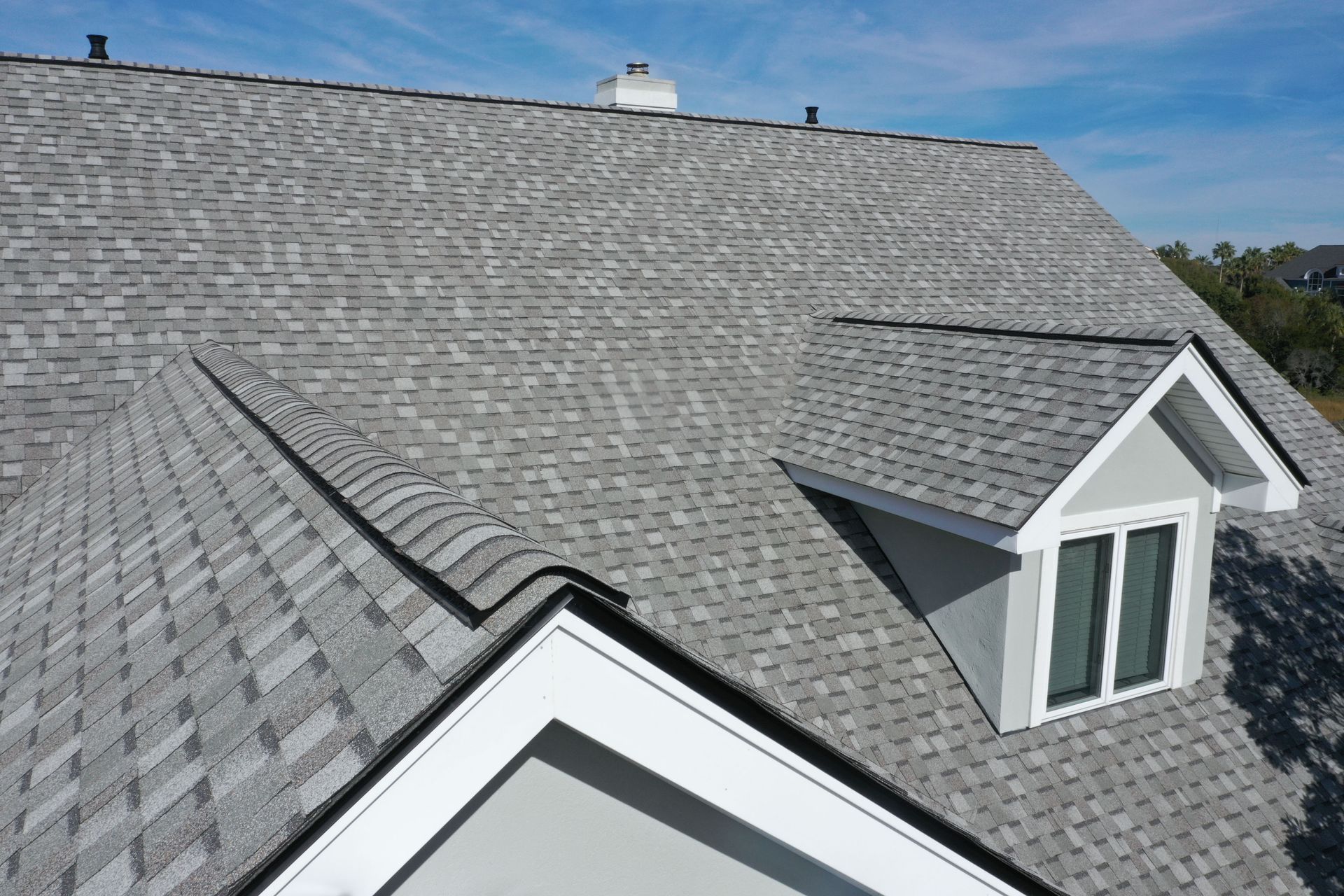
Once the roof has been assessed, the contractor will present you with a range of roofing options and materials. These options may include asphalt shingles, metal roofing, tiles, or other advanced materials suitable for your climate and aesthetic preferences. Contractors should provide pros and cons for each material, considering factors such as cost, durability, and maintenance requirements. As a homeowner, this is your opportunity to weigh the options and select materials that align with your budget and long-term goals. Having a variety of choices allows for a more personalized approach to the roof replacement.
Budgeting is a crucial aspect of any roof replacement project, and the contractor will help you estimate the total costs involved. This estimation includes the price of materials, labor, permits, and any unexpected repairs that may arise. A transparent discussion about costs ensures that you are financially prepared for the project and helps prevent surprise expenses. The contractor will provide a quote that itemizes each aspect of the project, giving you a comprehensive view of the financial commitment required. This clarity allows you to make informed decisions about proceeding with the roof replacement.
Contract and Paperwork
The roofing contract is an essential component of any roof replacement project, serving as a formal agreement between you and the contractor. It outlines the scope of work, materials to be used, and payment terms, providing a comprehensive framework for the project. Reviewing the contract carefully ensures that you understand all aspects of the agreement, including any exclusions or limitations. The contract should also specify timelines and include clauses addressing potential disputes. A well-crafted contract protects both parties by clearly defining responsibilities and expectations.
Roof replacement projects often require permits and adherence to local building codes. Your contractor should be knowledgeable about these requirements and responsible for obtaining the necessary permits before work begins. Compliance with legal standards ensures the safety and legality of the construction process, preventing future legal issues. Discussing legal requirements with your contractor provides peace of mind that the work will be completed professionally and lawfully. Meeting these obligations is crucial for protecting the value and integrity of your property.
Insurance and warranty provisions are vital considerations in any roof replacement project, offering protection against unforeseen circumstances. The contractor should provide proof of liability insurance and workers’ compensation coverage, reducing the risk of financial liability. Additionally, you should inquire about warranties on materials and workmanship, assessing the coverage period and specific protections offered. Understanding these terms enhances confidence in the project's longevity and quality. This information should be clearly documented within the contract to avoid misunderstandings.
Preparation for Roof Replacement
A pre-construction meeting is an opportunity for homeowners and contractors to finalize details and ensure alignment before work commences. It serves as a setting to review project plans, discuss timelines, and address any last-minute questions or concerns. This meeting is an ideal time to reiterate the specific expectations you have for the project to ensure mutual understanding. Contractors will use this meeting to reinforce the safety protocols and procedures to be followed. By laying the groundwork through comprehensive communication, you can both work together to achieve a successful roof replacement.
Before the actual roof replacement begins, proper site preparation is essential to ensure a safe and efficient work environment. The contractor will take steps to protect your property, such as covering landscaping and securing valuable items indoors. Safety measures also include erecting barriers and signage to prevent unauthorized access to the work area. Ensuring the well-being of both workers and residents is paramount, and the contractor should adhere to established safety protocols to mitigate risks. Thorough site preparation contributes to a smoother installation process and a higher quality outcome.
The timing and management of material delivery are critical to maintaining project momentum and minimizing inconvenience. Contractors coordinate the delivery of roofing materials to the site, ensuring they are securely stored until needed. Proper storage protects materials from exposure to the elements, preventing damage that could compromise their performance. Effective planning in this area helps to avoid delays caused by material shortages or logistical issues. Discussing logistics with your contractor ahead of time can ensure you are ready for the arrival and storage processes.
The Roof Replacement Process
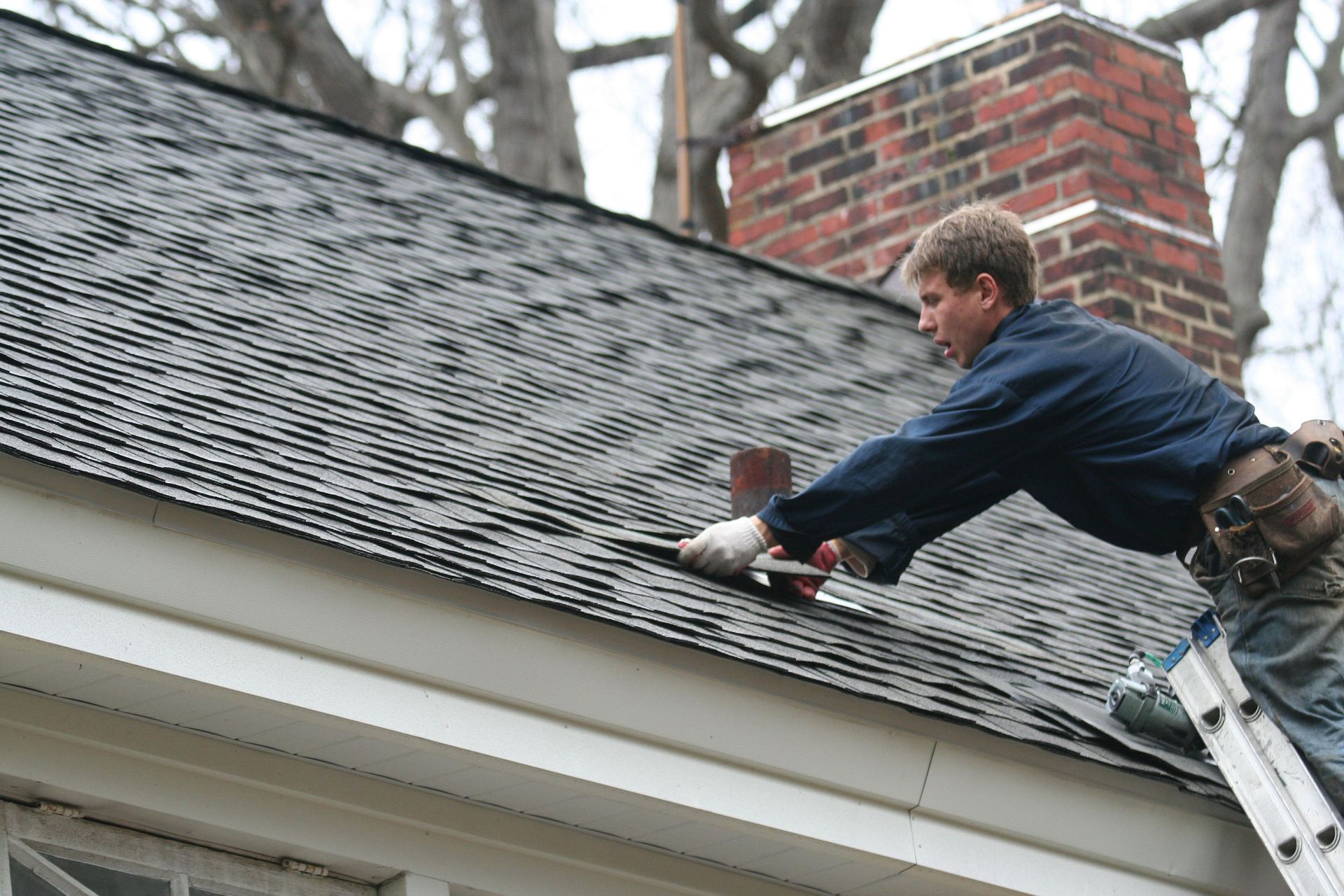
The roof replacement process starts with the removal of the existing roofing materials, a crucial step that sets the stage for the new installation. Contractors will strip away old shingles, tiles, or other materials to reveal the underlying roof deck. Properly removing the old roof is essential to inspect and repair any damage to the roof structure. This part of the process requires careful execution to ensure that the roof deck remains intact. Clearing away the old materials paves the way for new, durable roofing to be installed without hindrances.
With the old roof removed, attention turns to repairing and preparing the roof deck, which serves as the foundation for the new roof. Contractors conduct a thorough inspection to identify any signs of rotting wood, water damage, or structural weaknesses. It's crucial to address these issues promptly to provide a solid base for the new roofing materials. Properly preparing the roof deck enhances the performance and longevity of the installed roof. By investing time in repairs and preparation, contractors help ensure the success of the roof replacement process.
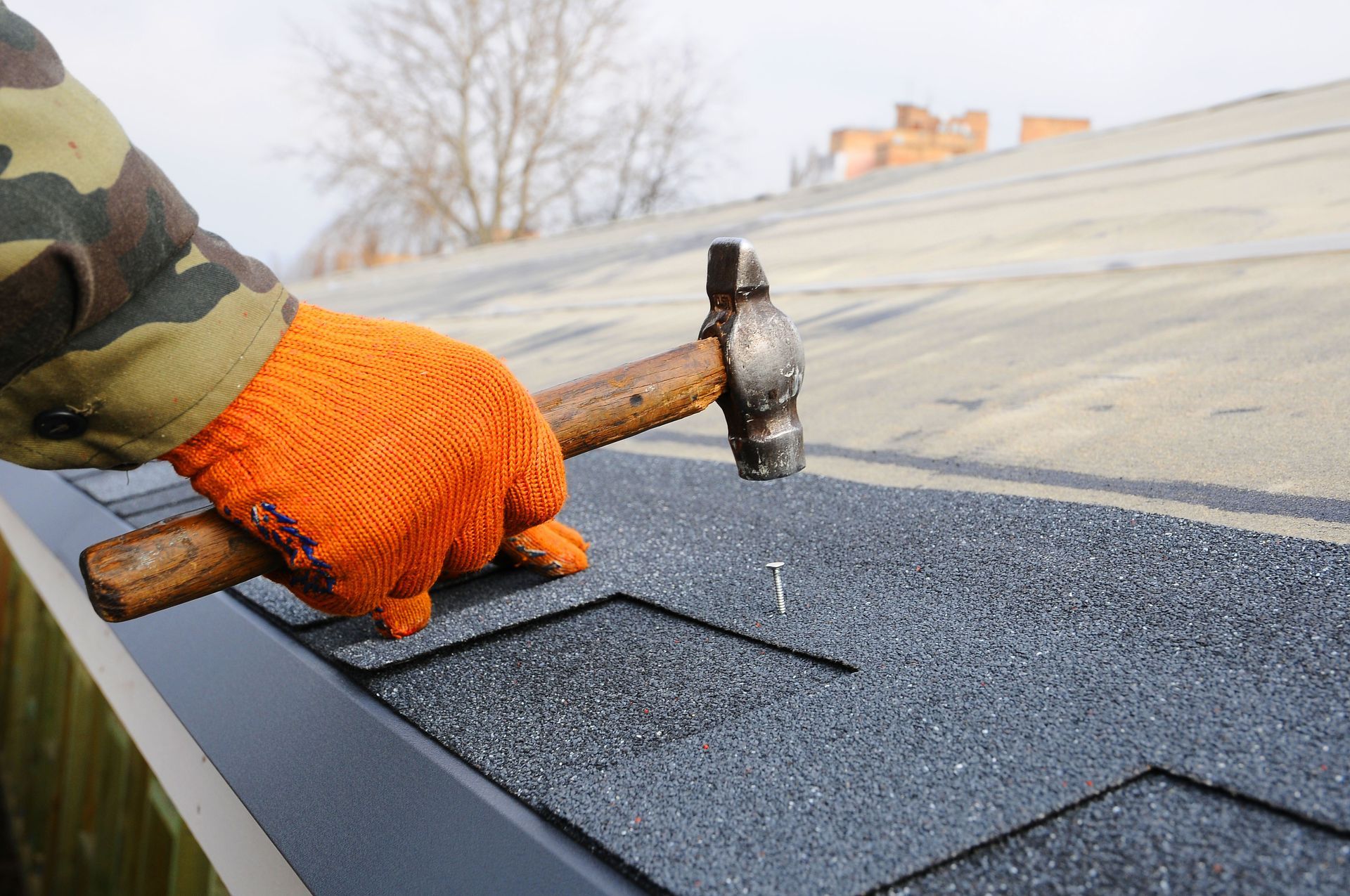
Once the roof deck is ready, contractors proceed with installing the new roofing materials, which is a transformative step in the replacement process. The installation must be conducted with precision to ensure each layer of material is applied correctly. The choice of materials plays a significant role in the roof's performance, encompassing factors like insulation, ventilation, and aesthetic appeal. Safety protocols are paramount during installation to protect both the workers and the integrity of the new roof. Successfully installing new materials breathes new life into the structure, enhancing property value and curb appeal.
Roof replacement is a significant undertaking that benefits from thorough preparation and open communication with your roofing contractor. By understanding each step of the process, from the initial consultation to post-installation procedures, you can foster a successful project outcome. Clear expectations and ongoing dialogue not only enhance the project's efficiency but also build a foundation of trust between you and your contractor. With nearly 31% of homeowners engaging in roofing projects recently, the importance of informed collaboration becomes even more evident. By applying the insights discussed, you pave the way for a durable, high-quality roof that protects your home for years to come. For an experienced
roofing contractor you can count on, contact Rooftop Solutions, LLC today.